Discover Two Sisters
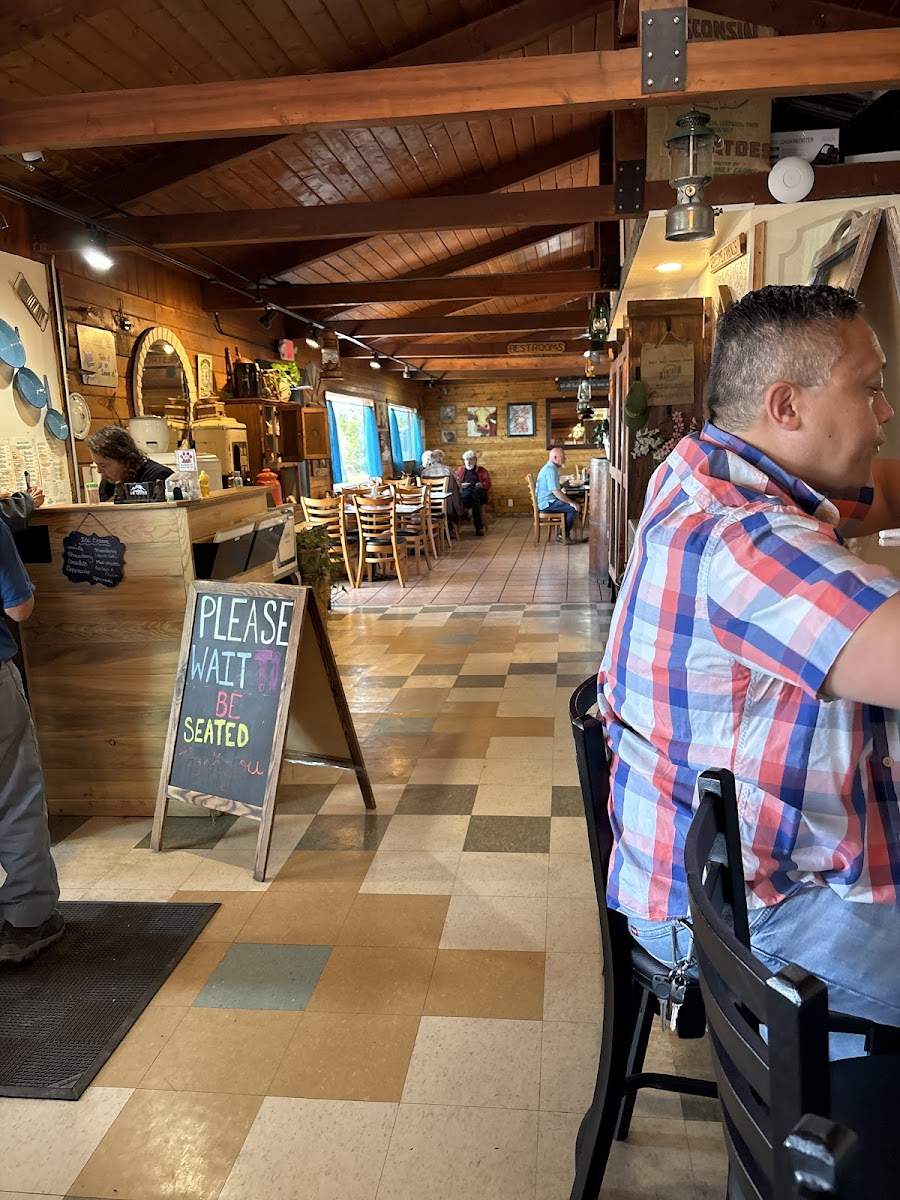
Two Sisters sits right on 506 9th St, Penrose, CO 81240, United States, and I still remember the first time I walked in after a long morning on the road between Cañon City and Florence. I was starving, the place was buzzing with locals, and within five minutes I had a mug of strong coffee in my hand and a laminated menu that looked like it had survived decades of hungry ranchers. That alone told me I was in the right diner.
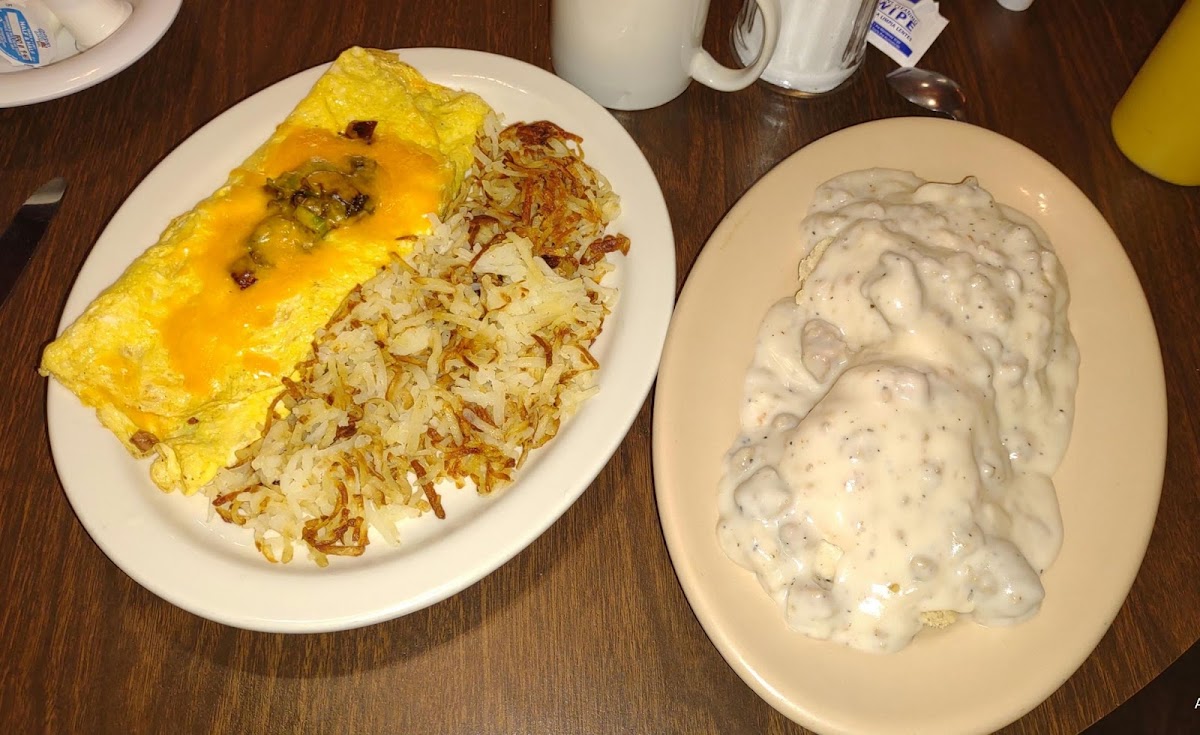
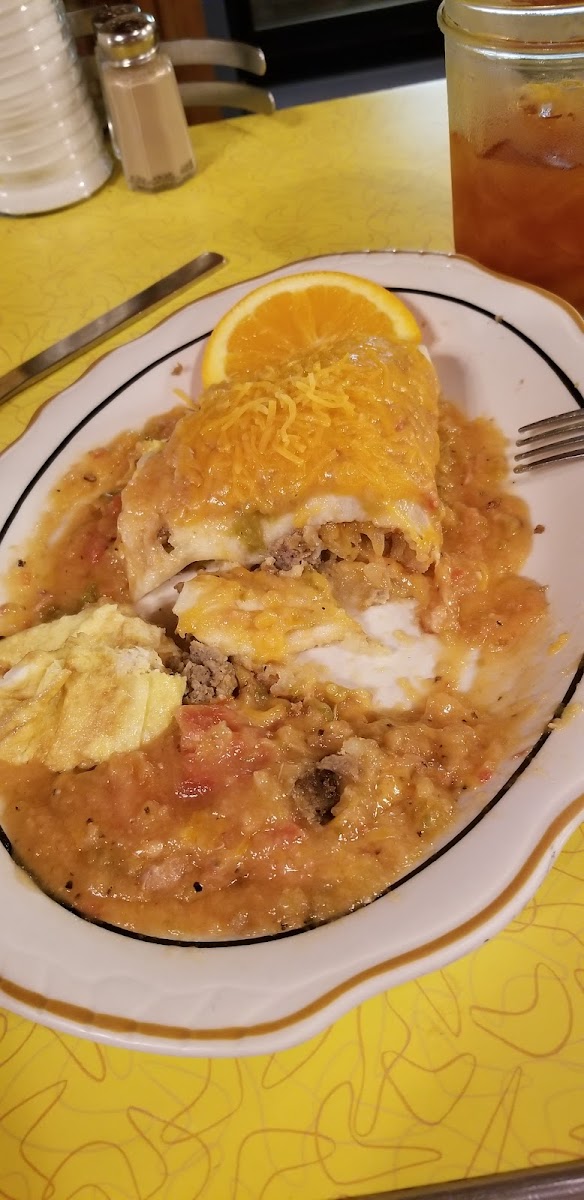
Over the past year I’ve probably eaten there a dozen times, and I’ve paid attention to what keeps people coming back. According to the National Restaurant Association, over 60% of customers say consistency matters more than novelty, and that’s exactly what this spot nails. The breakfast plates come out fast, the portions are generous, and the prices still feel like small-town Colorado, not resort pricing.
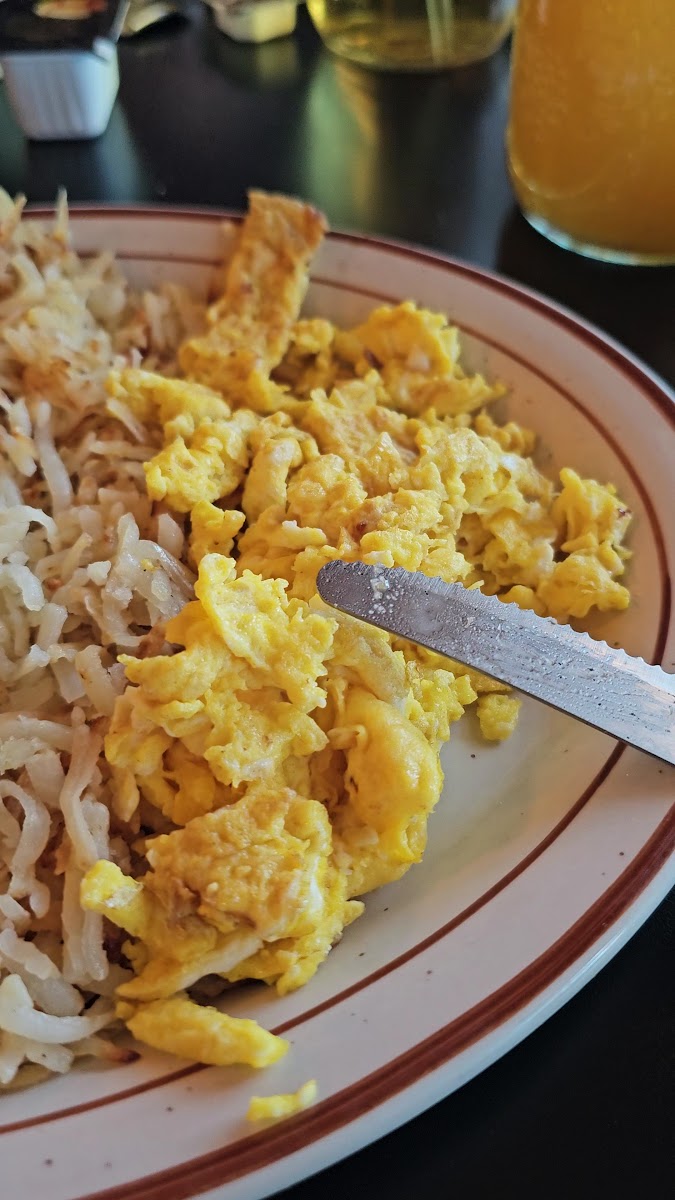
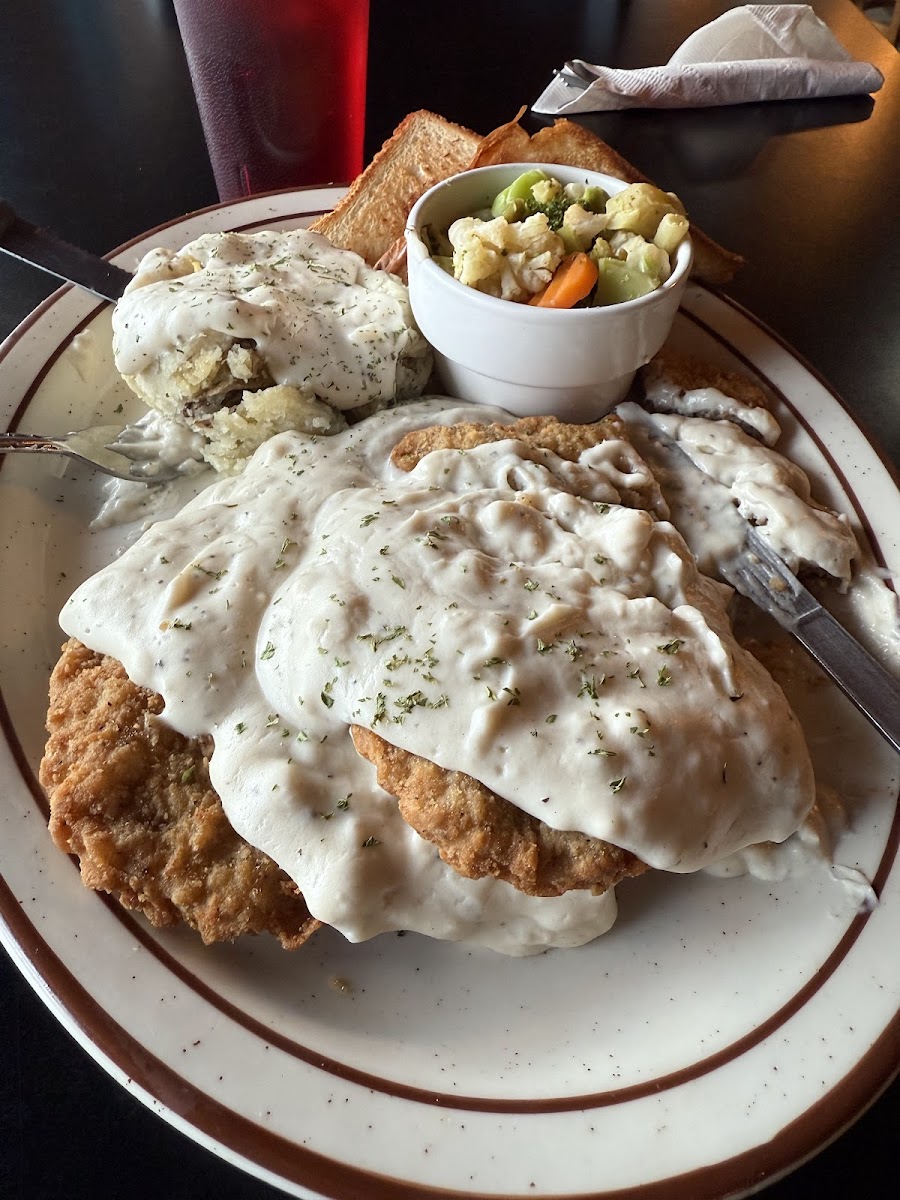
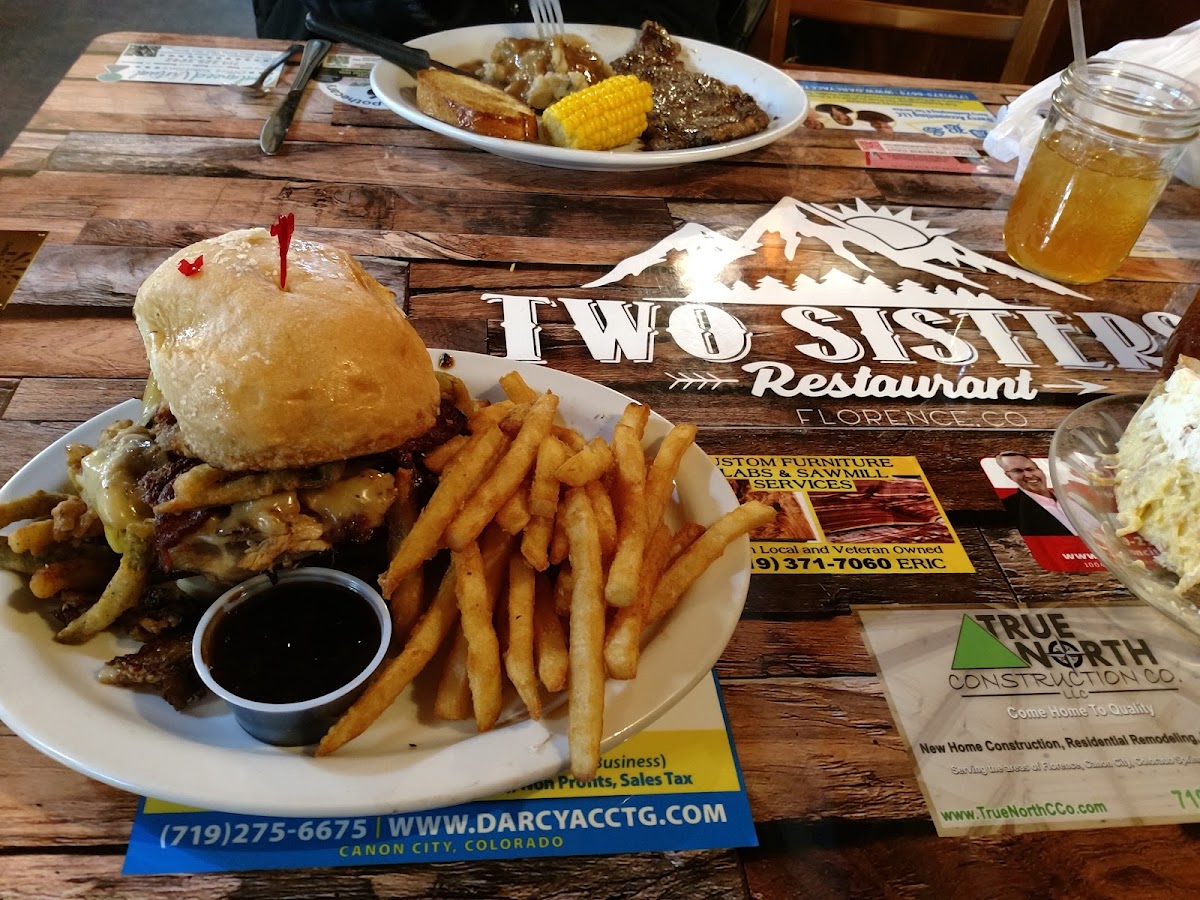
One morning I ordered the country fried steak after a waitress recommended it with a grin and said it was best in Fremont County. She wasn’t exaggerating. The steak was crispy without being greasy, the gravy had real pepper bite, and the eggs were cooked exactly the way I asked. That kind of accuracy doesn’t happen by accident; it comes from cooks who have done the same process hundreds of times and still care. I later learned from a regular at the counter that the sisters behind the name grew up in a family-run café and learned the trade from their grandmother, which explains the old-school techniques like pan-searing meats instead of using a flat grill for everything.
Reviews online echo what I’ve experienced. Most diners mention friendly service, fast turnaround, and comfort food that doesn’t pretend to be fancy. Yelp data shows that diners in rural Colorado tend to rate service higher than urban counterparts, largely because personal relationships are built over time, and that’s obvious here when staff greet customers by name. On my third visit, the cashier asked if I wanted my usual side of hash browns before I even ordered.
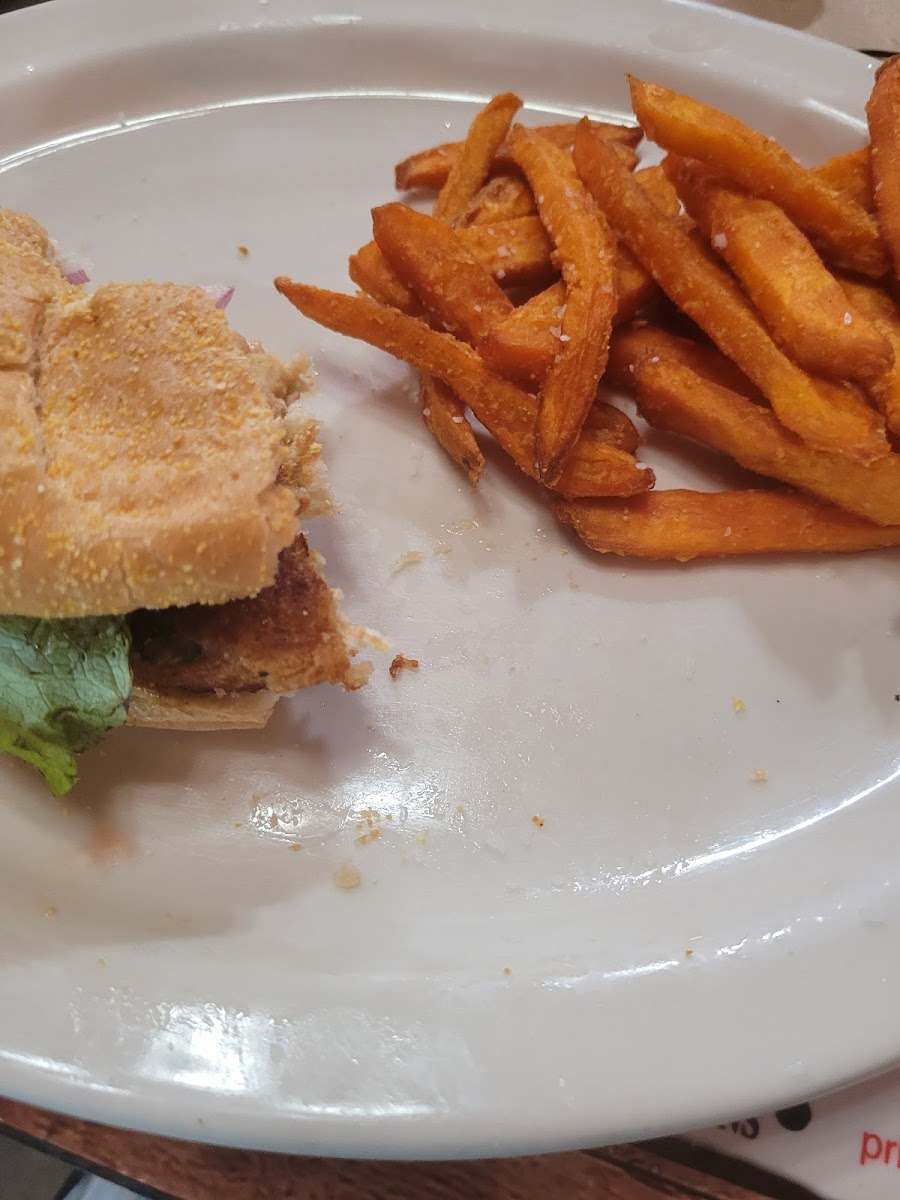
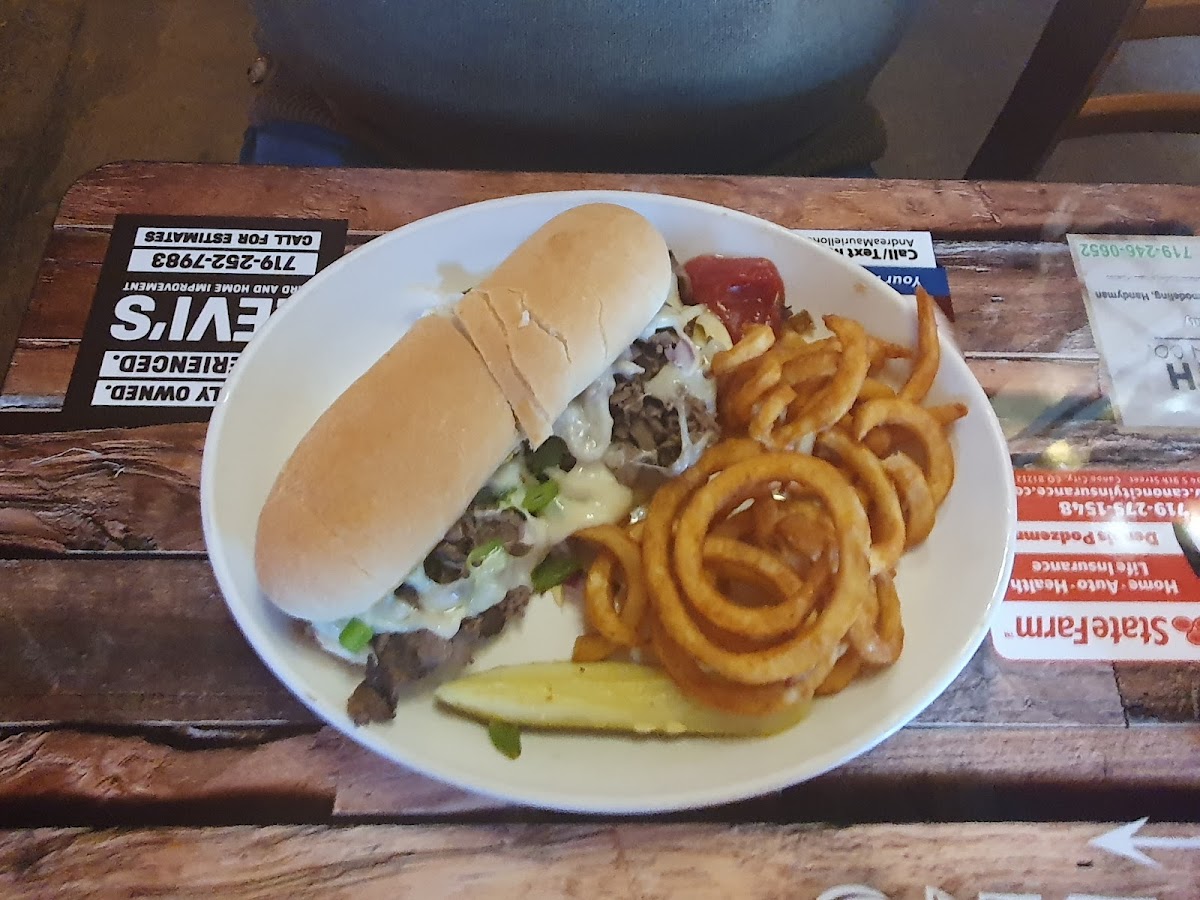
Lunch is where the menu really stretches its legs. Burgers are thick, not the frozen kind you get in chain spots, and the patty melt has that buttery crunch that food writers from the James Beard Foundation say is the hallmark of a well-balanced diner sandwich: crisp bread, melty cheese, and a juicy center. I once watched a cook assemble three plates at the same time, moving between grill and pass window with the rhythm of someone who knows the choreography by heart. That efficiency is why food arrives hot even when the dining room is packed.
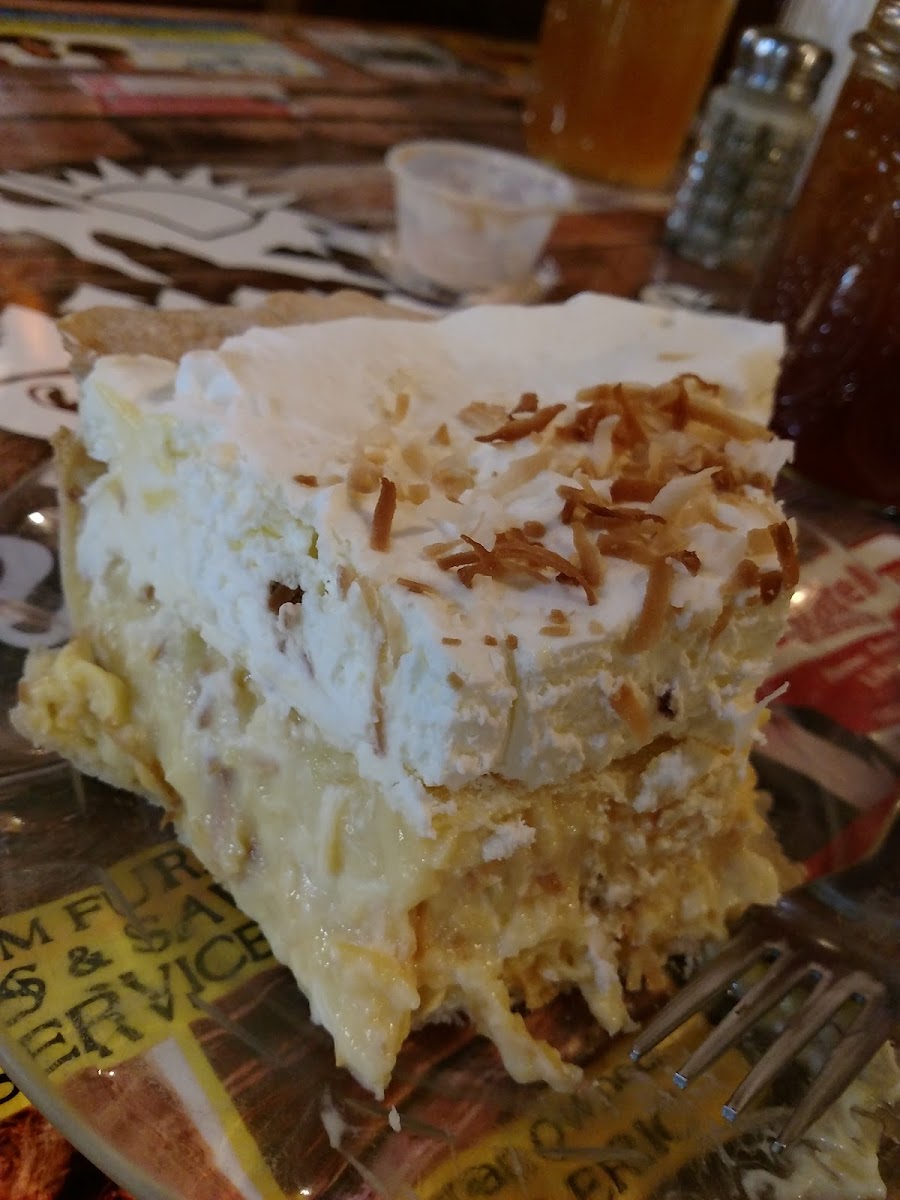
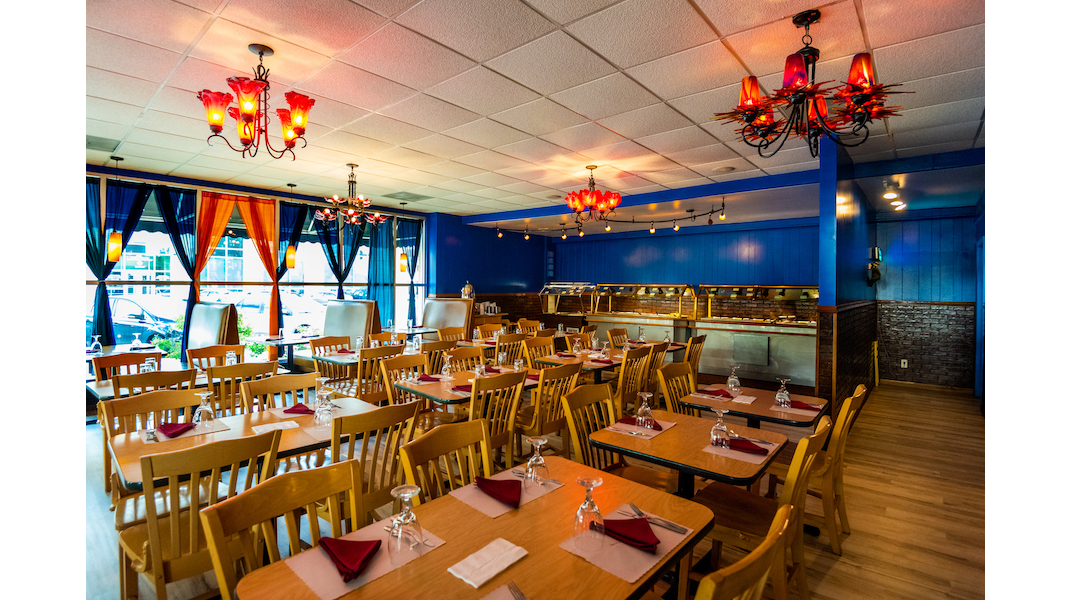
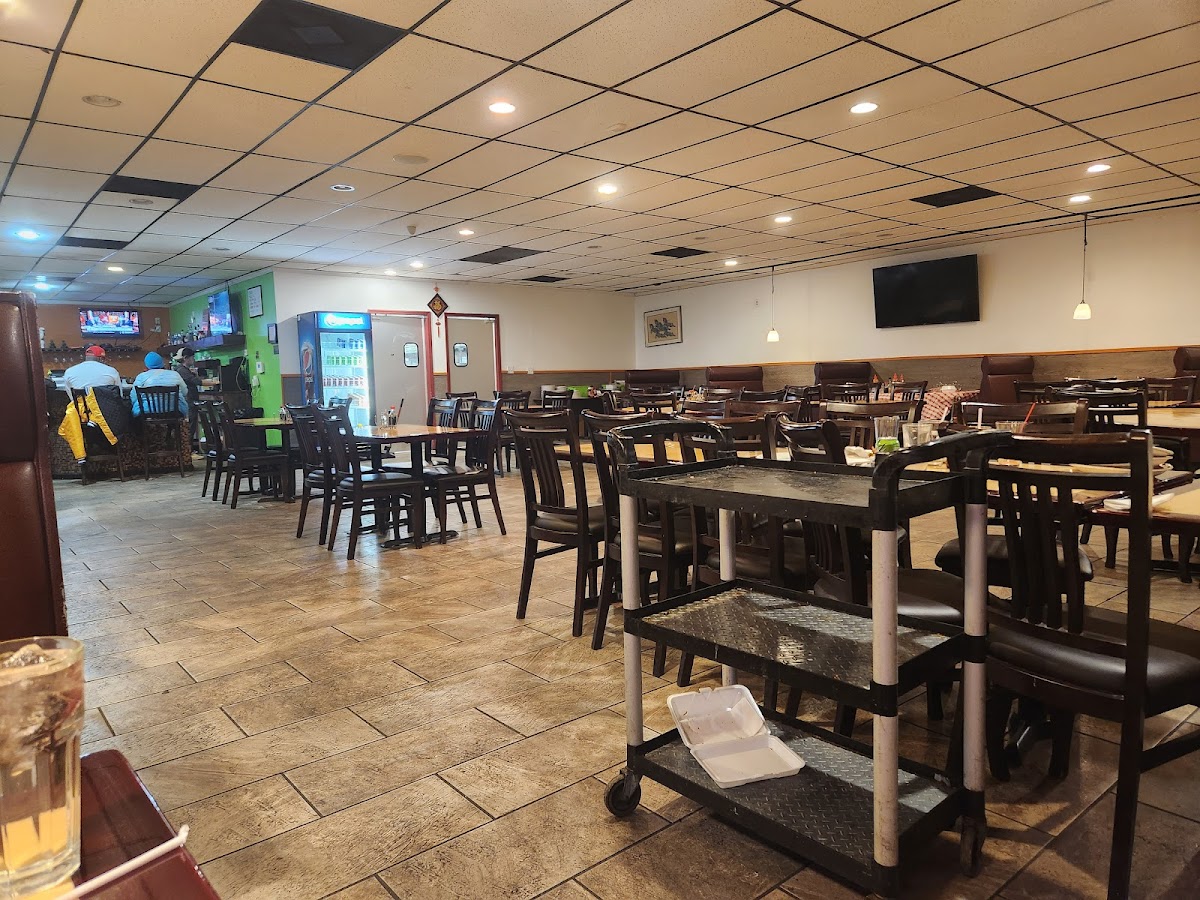
There are limits, of course. The dining area isn’t huge, so weekends can mean a short wait, and the dessert list is smaller than what you’d see in larger locations along Highway 50. Still, the homemade pies rotate often enough that it rarely feels repetitive. I’ve had peach in summer, pumpkin in fall, and a chocolate cream slice that was gone from the case within an hour.
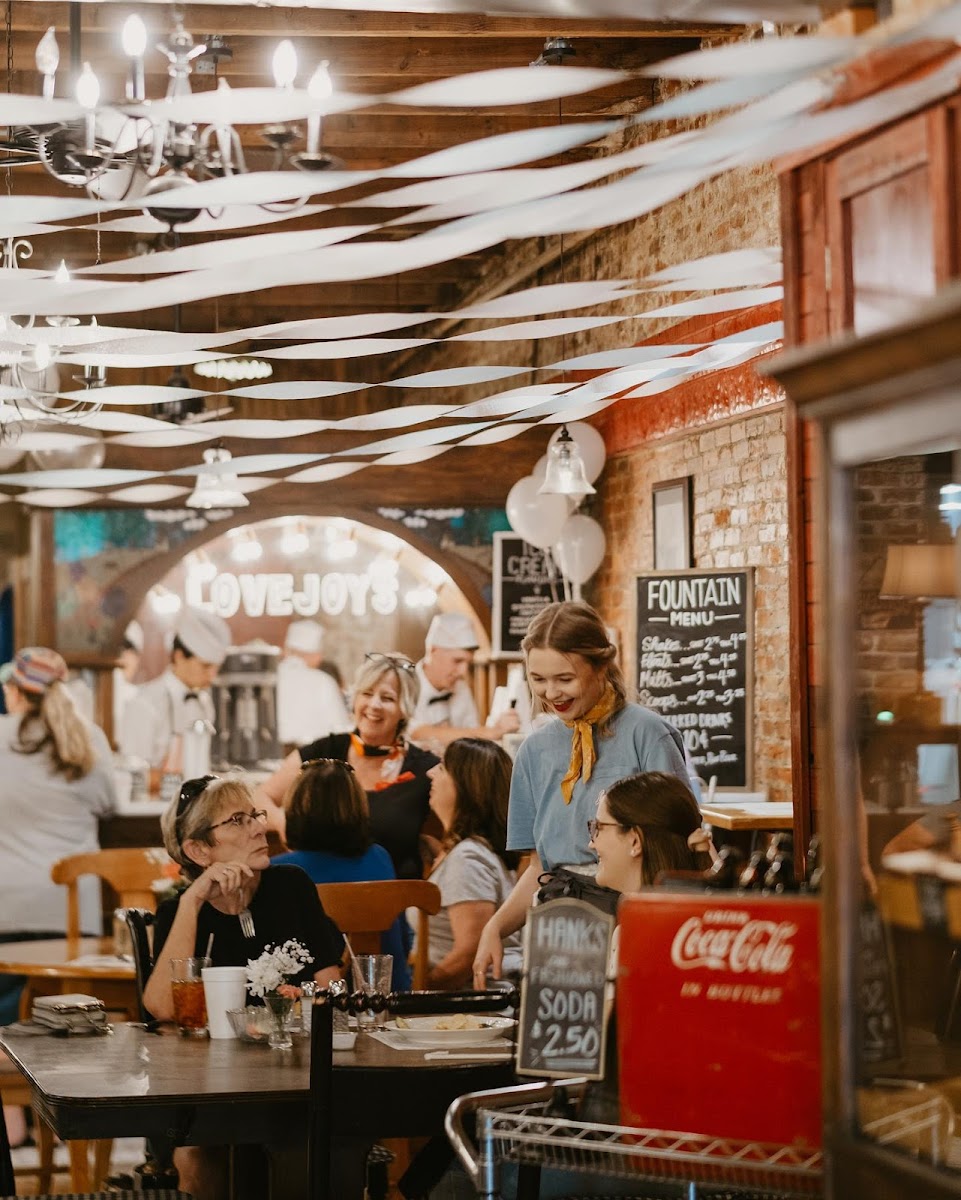
What really stands out is how the place fits into the community. A local high school coach once told me they host post-game dinners here because the staff knows how to feed a busload of teenagers without losing their cool. That kind of operational skill lines up with hospitality research from Cornell University showing that small independent restaurants outperform chains in customer loyalty when they tailor service to local needs.
If you’re planning a stop, the address is easy to find, parking is simple, and the hours are early-bird friendly, which suits the ranchers and commuters who make up most of the crowd. The charm isn’t manufactured; it’s built on real routines, reliable recipes, and people who still believe a diner should feel like a second home.